
Agent comparison · August 2026
DeepSeek Harness vs Codex, Claude Code, Hermes Agent & OpenCode
Compare DeepSeek Harness with Codex, Claude Code, Hermes Agent, and OpenCode by architecture, models, plugins, memory, remote use, permissions, and ideal workflow.
- Author
- DeepSeekAgent.io Editorial Team
- Published
- Updated
Short answer: these tools optimize for different jobs
DeepSeek Harness, Codex, Claude Code, Hermes Agent, and OpenCode can all inspect files, execute commands, and call tools. Their product centers are different:
- DeepSeek Harness composes an agent runtime from plugins and profiles.
- Codex focuses on understanding repositories, changing code, verifying work, and delivering software-engineering tasks.
- Claude Code is a mature Claude-centered coding agent with skills, hooks, MCP, subagents, and plugins.
- Hermes Agent is a self-hosted personal agent centered on learning, long-term memory, and multiple communication channels.
- OpenCode is an open coding agent with broad provider choice, configurable agents, and a polished terminal workflow.
The useful question is not “which one wins?” It is whether you need a finished coding product, a multi-model client, a persistent personal agent, or a platform for changing how an agent is assembled.
Core differences at a glance
| Dimension | DeepSeek Harness | Codex | Claude Code | Hermes Agent | OpenCode |
|---|---|---|---|---|---|
| Product center | Composable agent harness | Software delivery | Claude coding agent | Persistent personal agent | Provider-open coding agent |
| Model relationship | DeepSeek project; model layer is composable | OpenAI/Codex ecosystem | Claude ecosystem | Multiple providers | 75+ providers and custom endpoints |
| Main surfaces | Web, headless, custom profiles | App, CLI, IDE, remote workflows | Terminal plus IDE/Desktop/Web entry points | CLI, Desktop, gateway, messaging | TUI and ecosystem clients |
| Extension center | Cordis plugins, bundles, patches, profiles | Skills, MCP, plugins, workspace capabilities | CLAUDE.md, skills, hooks, MCP, subagents, plugins | Skills, memory, tools, gateway, MCP | Agents, providers, permissions, plugins, MCP |
| Agent-loop depth | Runtime composition can reach the loop | Extends a designed product | Extensions wrap the core loop | Emphasizes learning and persistence | Plugins intercept many layers around a product core |
| Long-term memory | Profile/plugin dependent | Primarily project and task workflow | Rules, CLAUDE.md, and auto memory | A defining feature | Primarily sessions and agent config |
| Maturity | Developer preview | Mature product | Mature product | Fast-moving full agent | Established; newer plugin APIs may evolve |
| Best for | Agent-platform builders | Delivering engineering work | Claude teams and coding workflows | Personal automation across channels | Multi-model coding workflows |
DeepSeek Harness vs Codex
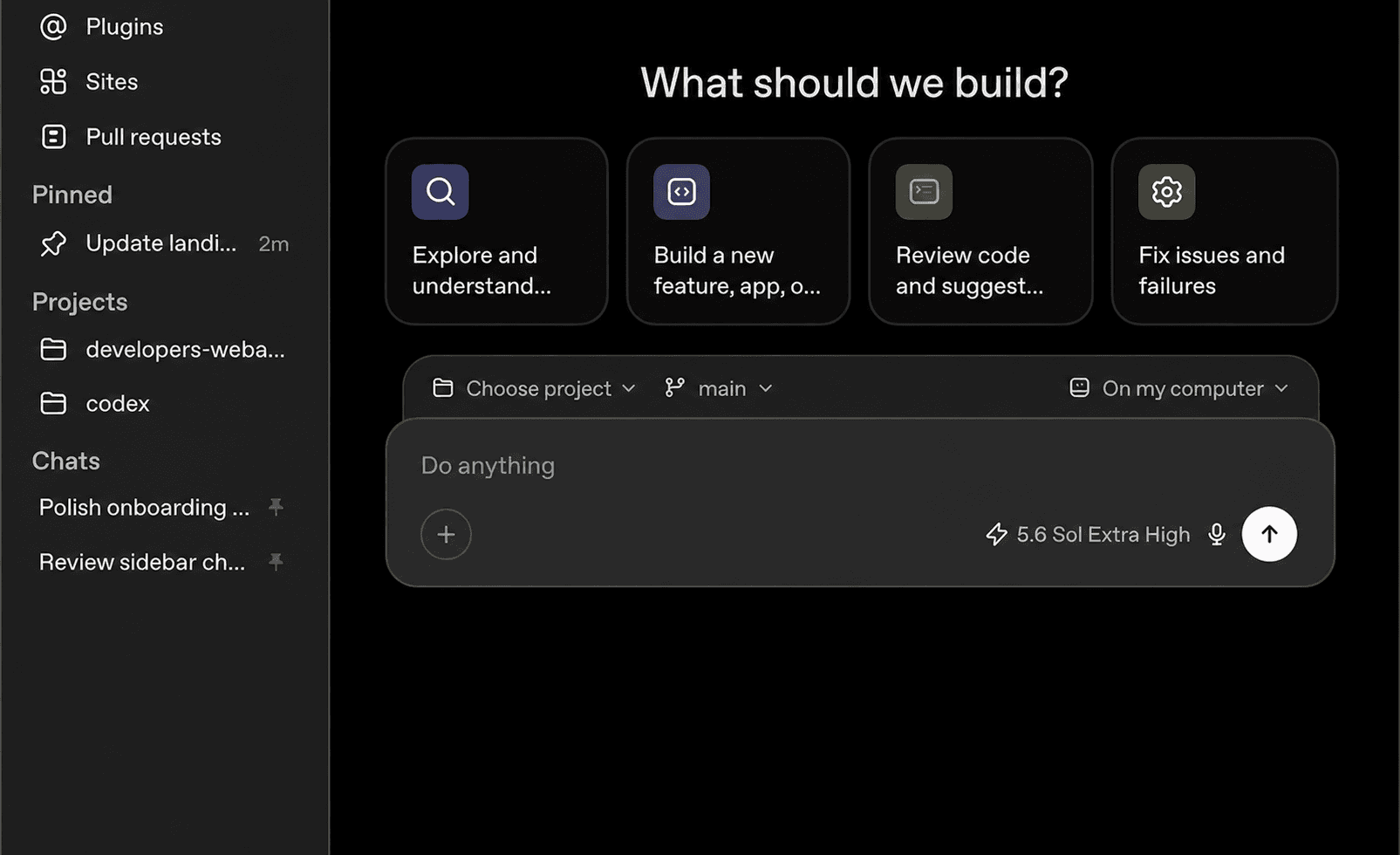
Codex is designed to understand codebases, build and test features, fix bugs, review changes, and move engineering work toward delivery. Skills, MCP, and plugins extend an already-designed software-engineering agent.
DeepSeek Harness sits one layer lower. Profiles are composed from plugin bundles and patches, and even application entry points or the agent loop can become part of the composition. DeepSeek Harness resembles a runtime construction kit; Codex resembles an agent ready to do engineering work.
Choose Codex when completion, verification, code review, and repository work are the primary outcome. Choose DeepSeek Harness when the composition of the agent is itself your product or research question.
In one line: Codex is closer to an engineering operator; DeepSeek Harness is closer to an agent-runtime toolkit.
DeepSeek Harness vs Claude Code
Claude Code has a broad extension system: CLAUDE.md supplies persistent project instructions, skills package knowledge and workflows, MCP connects services, hooks automate lifecycle events, subagents isolate work, and plugins distribute these pieces.
Those capabilities extend a mature Claude Code loop. DeepSeek Harness’s plugin model is deeper: the runtime is assembled as a plugin tree, and profiles plus patches determine what boots.
Claude Code is a stronger default when you want a finished experience, tight integration with Claude models, deterministic hook automation, and team-standard coding workflows. DeepSeek Harness is more interesting when you want the model, tools, interface, and runtime logic to belong to one composable system.
In one line: Claude Code is a finished product with rich extensions; DeepSeek Harness makes the product itself composable.
DeepSeek Harness vs Hermes Agent
Hermes Agent is not limited to coding. Nous Research positions it as a self-improving agent that creates and improves skills from experience, searches old conversations, develops a persistent user model, runs remotely, and communicates through channels such as Telegram.
DeepSeek Harness can be composed for persistent work, but its clearest current value is runtime composition—not an out-of-the-box personal memory and messaging agent.
Choose Hermes for a long-running assistant on a VPS, cross-channel interaction, personal memory, and learned skills. Choose DeepSeek Harness when you are designing a specialized runtime or controlling the agent’s tool and loop structure.
In one line: Hermes builds a persistent agent that grows with the user; DeepSeek Harness builds a harness that developers can reassemble.
DeepSeek Harness vs OpenCode
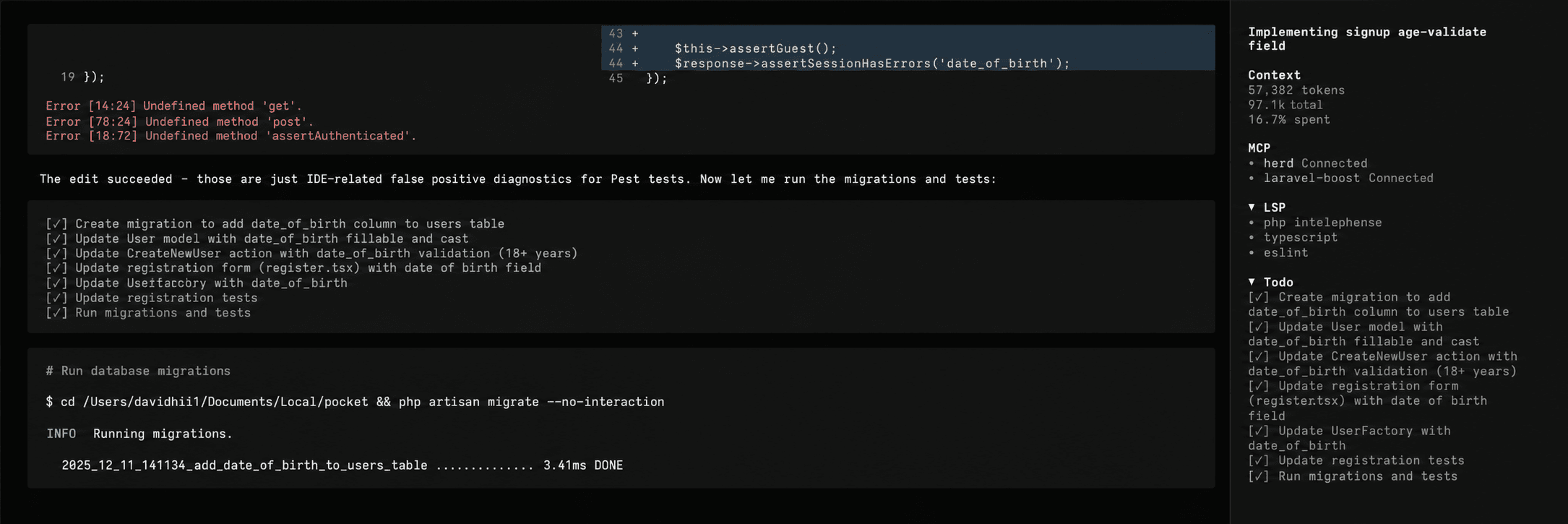
OpenCode’s clearest strength is provider and model choice. Its documentation supports many providers, custom OpenAI-compatible endpoints, primary agents, subagents, per-tool permissions, and plugins that can transform agents, models, commands, skills, and tools.
That is highly open, but the product center remains a multi-model coding agent. DeepSeek Harness’s openness is centered on composing the runtime through profiles, bundles, and patches.
Choose OpenCode when you switch providers often, use local or custom models, want fine-grained permissions, and value a mature terminal coding experience. Choose DeepSeek Harness when providers are only one of many layers you want to replace alongside tools, session retention, workflows, UI, or the agent loop.
In one line: OpenCode opens the provider and client workflow; DeepSeek Harness opens the composition of the harness.
Choose by your actual need
| Your first requirement | Start with |
|---|---|
| Complete and verify software-engineering work | Codex |
| Claude-centered coding with hooks and team extensions | Claude Code |
| Persistent memory, remote operation, and messaging channels | Hermes Agent |
| Provider freedom, model choice, and an open TUI | OpenCode |
| Build, study, or compose an agent runtime | DeepSeek Harness |
These tools are not necessarily exclusive. A team may use Codex or Claude Code for daily repository work, OpenCode for multi-provider testing, Hermes for remote personal automation, and DeepSeek Harness for specialized profiles or harness research.
DeepSeek Harness should therefore not be described as “stronger than every coding agent.” Its more defensible distinction is this: it turns the agent runtime—something other products normally fix in place—into an object developers can compose and modify.
Continue with our hands-on DeepSeek Harness review or installation guide. Because these projects change quickly, verify current behavior in the official documentation for DeepSeek Harness, OpenAI Codex, Claude Code, Hermes Agent, and OpenCode.